Every few years, a new technology quietly changes the way we shop, chat, or pay. It starts small- a feature update here, a notification there, until one day it becomes something everyone uses. The WhatsApp Payment System is exactly that kind of transformation.
What began as a messaging app has now evolved into a platform where you can shop, chat, and make instant payments.
From neighbourhood shops to growing e-commerce stores, everyone is exploring this shift. The idea of paying directly from a WhatsApp chat is now turning into a standard for digital transactions.
Why Is the Future of Digital Payments Evolving So Fast?
Online payment used to mean switching between multiple apps- scanning a QR, entering OTPs, or waiting for transaction confirmations. But now, users want speed and trust in one place. The WhatsApp Payment System makes that possible.
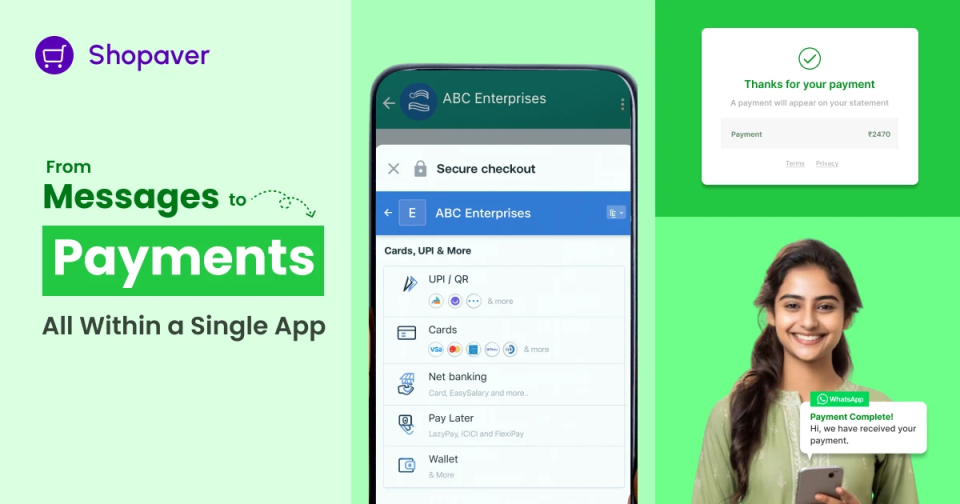
Unlike separate wallets or gateways, this setup keeps the experience simple: the same app for chatting, shopping, and paying. With built-in WhatsApp payment gateway, businesses can receive money instantly, while customers get a faster checkout experience.
In India, where digital payment adoption is booming, this shift feels natural. People are already comfortable with UPI apps, and the addition of WhatsApp payment UPI means they don’t need to learn anything new. It’s just a simpler, more convenient way to pay.
Why Businesses Are Turning to WhatsApp Payments
For small and medium businesses, adopting new technology can feel expensive and complicated. But, the whatsapp business payment changes that scenario. It doesn’t require a new app or a complex setup. All it needs is a verified WhatsApp Business account and a linked bank account.
Here’s why more sellers are using WhatsApp for payments in 2026:
- Instant Transactions – Payments through WhatsApp UPI are instant and secure, directly between bank accounts.
- Trusted Interface – Since people already use WhatsApp daily, they are more likely to complete payments confidently.
- Low Setup Cost – Businesses don’t have to invest in websites or third-party payment integrations.
- Easy Integration – WhatsApp business payment feature makes transactions smooth for both parties.
The best part? Platforms like Shopaver are helping businesses unlock the full potential of WhatsApp commerce. Sellers can chat, showcase their catalogue, and accept payments, all from the same chat window.
How Does the Journey From Chat to Checkout Happen?
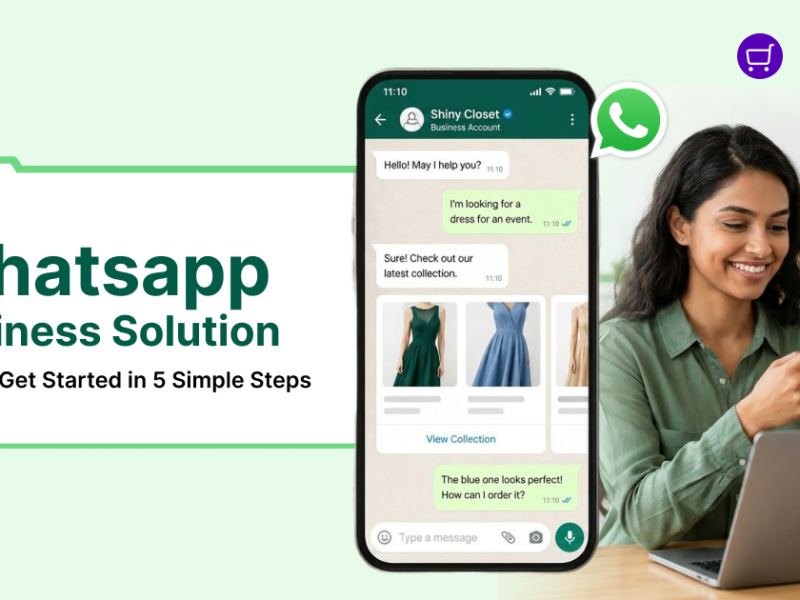
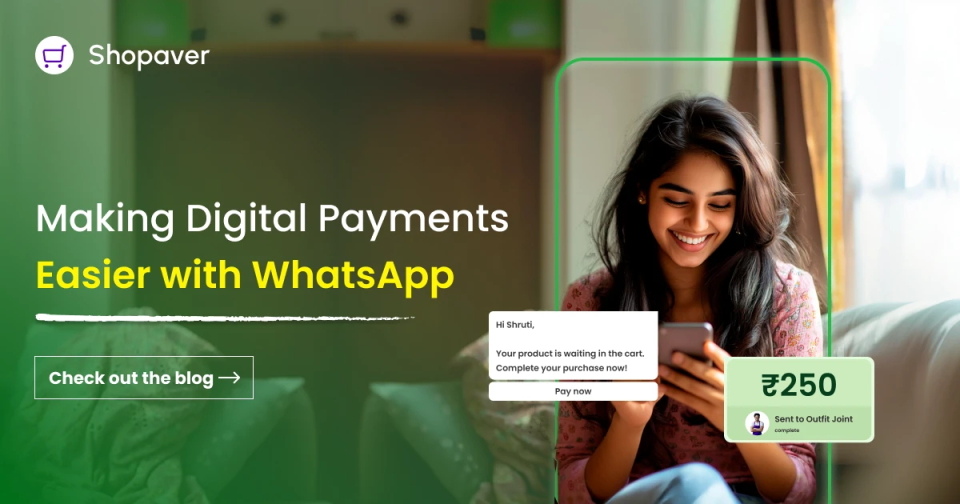
Imagine you are talking to a seller on WhatsApp about a product you like. You ask for the price, see pictures from their catalogue, and decide to buy. Instead of being redirected to another site, the seller simply shares a WhatsApp pay option, a clickable payment link or a UPI request right in the chat.
You click, approve through WhatsApp payment UPI, and the payment is done in seconds. No switching apps, no confusion. That’s the beauty of the WhatsApp Payment System, it’s invisible but incredibly efficient.
Businesses that use Shopaver can set up this process easily. Shopaver integrates WhatsApp ecommerce store features, allowing users to display products, manage orders, and accept payments directly through WhatsApp. It’s all about reducing friction and creating a direct path between conversation and conversion.
Why the WhatsApp Payment System Stands Out
There are already big names in digital payments- Google Pay, PhonePe, Paytm, and others. So why does the WhatsApp Payment System stand out?
Because it connects communication and commerce in one place. You don’t just make payments, you build trust while chatting. For many buyers, this feels more personal and reliable than using a random website or app link.
WhatsApp’s strength is its reach, i.e.- over two billion users worldwide. That means more opportunities for businesses to reach customers directly without expensive advertising or app development.
By 2026, experts predict that WhatsApp UPI payments will become one of the most widely used digital transaction methods in India. And with businesses joining platforms like Shopaver, the entire process becomes even smoother.
How Shopaver Fits into the WhatsApp Payment System
Shopaver makes it simple for sellers to start using WhatsApp commerce effectively. With its easy setup, sellers can create a mini store inside WhatsApp, share product links, manage their WhatsApp catalogue, and accept payments directly using the WhatsApp Payment System.
Instead of setting up a traditional website or installing multiple plugins, Shopaver turns the process into a conversation. A buyer can ask for a product, get instant replies, and make payments via WhatsApp UPI.
This means less technical effort, no coding, and more real-time engagement. For customers, it feels like chatting with a friend who helps them shop faster. For sellers, it feels like running a store without needing a separate e-commerce platform.
The Growing Role of UPI in WhatsApp Payments
India’s UPI network has already made digital payments accessible to everyone. The WhatsApp Payment System builds on this infrastructure, ensuring that every payment remains secure and immediate.
When you pay through WhatsApp payment UPI, the money moves directly from your bank to the receiver’s, just like Google Pay or PhonePe. The key advantage is simplicity. You don’t need to scan new QR codes or enter long account details.
With the WhatsApp business payment feature, even small shop owners can request and accept payments from anywhere. Combined with Shopaver, it becomes a complete tool for selling, promoting, and receiving money.
Future of Payments: What to Expect
Looking ahead, WhatsApp Payment System could play a major role in how digital commerce evolves. Businesses are starting to combine catalogues, chatbots, and instant payments to build smart stores within WhatsApp.
Here’s what’s expected in the future:
- AI-powered product recommendations during WhatsApp chats.
- One-click checkout through the WhatsApp payment gateway.
- Better payment tracking for businesses via dashboards.
- Cross-app connectivity between WhatsApp, Instagram, and Facebook Shops.
For customers, these upgrades mean faster buying experiences. For sellers, it means fewer missed opportunities. When someone messages about a product, they can complete the purchase in seconds, without leaving the conversation.
Why the WhatsApp Payment System Is the Future
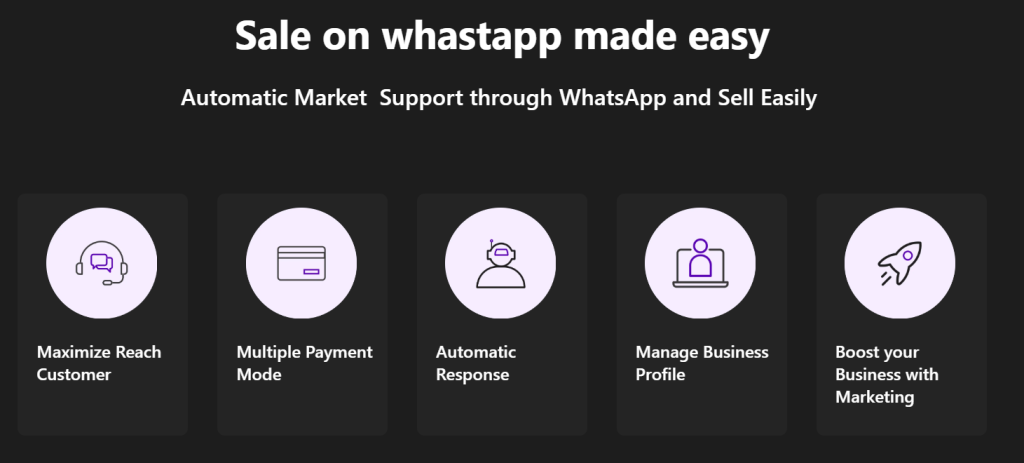
People like convenience. They prefer fewer steps, fewer apps, and faster actions. The WhatsApp Payment System combines all three. It lets users communicate, decide, and pay.
As the world moves toward conversational commerce, platforms like Shopaver are showing how this technology can work for everyone. Whether you are a small seller or an online business, you can now sell and get paid directly on WhatsApp.
In 2026, the success of WhatsApp Product Selling will depend on how easily people can pay. That’s where the WhatsApp pay option makes a difference- fast, simple, and available to everyone with a smartphone.
The rise of the WhatsApp Payment System marks a new chapter in India’s digital journey. It’s not just about paying faster, it’s about creating meaningful, instant connections between businesses and buyers.
And with platforms like Shopaver, that connection becomes powerful. Sellers can showcase, chat, and collect payments- all inside WhatsApp. This combination of simplicity and trust is why WhatsApp UPI payments are set to define the next wave of digital commerce in 2026.
FAQs
1. What is the WhatsApp Payment System?
It’s a feature that allows users to send and receive money directly through WhatsApp using UPI. It connects bank accounts and enables instant, secure transactions.
2. Can I use the WhatsApp Payment System for my business?
Yes. With the WhatsApp business payment feature, you can receive payments from customers easily.
3. Is WhatsApp payment UPI safe?
Absolutely. The WhatsApp Payment System ensures encrypted and verified transactions.

Aachal has 5+ years of experience in retail technology and POS-related content, writing practical and insight-driven blogs for small businesses in India.