A few years ago, shopping meant browsing through dozens of websites, filling out long forms, and tracking endless delivery updates through emails.
But today, all it takes is a simple chat. With WhatsApp Shopping, buying products online has become as easy as sending a message to a friend.
What started as a communication app has turned into one of the most convenient shopping platforms for modern consumers, and e-commerce businesses are adapting fast.
Traditional online stores face a big challenge- users often abandon carts, skip registration, or lose patience with complicated checkout processes.
That’s where Shopaver sees a massive shift happening. The rise of WhatsApp Shopping is changing how brands sell and how customers shop.
Why the Shift Toward WhatsApp Shopping Is Happening
Most online buyers already spend hours on WhatsApp- chatting, sharing pictures, and staying updated. When shopping becomes part of the same experience, it feels natural. WhatsApp Shopping removes many friction points that normal e-commerce platforms struggle with.
No need to visit a website, remember passwords, or search for products manually. Customers can simply open their shop WhatsApp chat, browse catalogues, ask questions, and make payments directly through the app.
The biggest reason behind this shift is comfort. Shoppers want faster responses, instant support, and personal interaction. On shopping WhatsApp, they can ask about product sizes, get stock details, and even request discounts in real time.
This personal connection makes buyers feel valued, something regular e-commerce websites often fail to deliver.
From Browsing to Buying
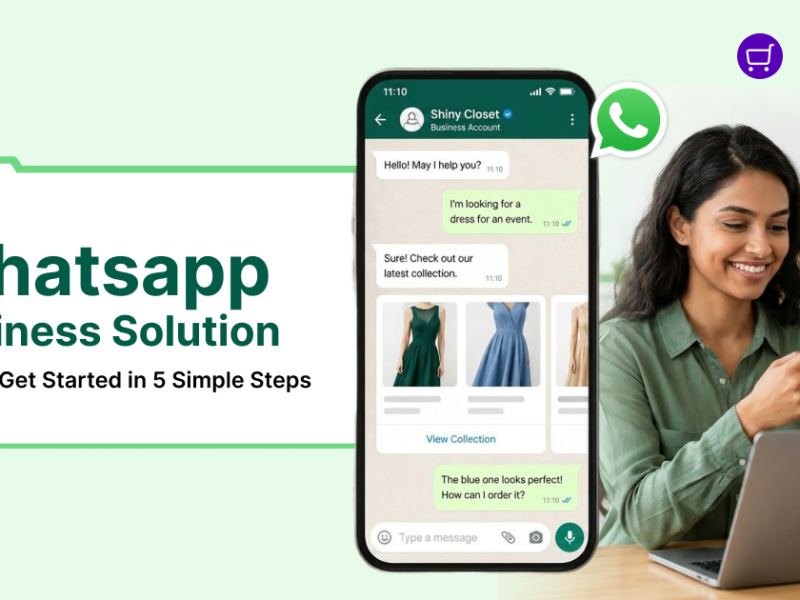
Imagine you are looking for a new pair of shoes. You message your favorite brand on WhatsApp Shopping, view options right inside the chat, add your pick to the cart, and pay- all without leaving the conversation. It’s smoother than switching between multiple apps or browsers.
Many small and medium businesses are now using WhatsApp ecommerce store features to reach customers where they already are. With product catalogues, quick reply buttons, and secure payment integrations.
WhatsApp has quietly built an ecosystem where shopping happens through conversations. The new way to shop WhatsApp is simple, smart, and surprisingly fast.
Even large retailers have noticed this change. The JioMart WhatsApp integration in India is a major example of how big players are adopting conversational commerce.
Users can order groceries, household items, and more, all from the same app they use to chat daily. This blend of familiarity and convenience is what’s making WhatsApp Shopping a real game-changer.
Challenges E-commerce Brands Faced Before WhatsApp Shopping
Before this transformation, e-commerce platforms had several barriers:
- Customer drop-offs during sign-up or checkout
- Delayed responses to product or shipping queries
- Lack of personalisation in customer service
- High advertising costs with limited conversions
Even though websites and apps tried to improve, they couldn’t match the personal feel of an in-store interaction. Customers want clarity before buying, and that’s where WhatsApp bridges the gap. Through WhatsApp Shopping, every question gets answered instantly, helping customers make quick decisions.
How WhatsApp Shopping Solves These Problems
Shopaver observes that brands using WhatsApp ecommerce store integrations are experiencing higher engagement and better conversion rates. Here’s how:
- Personalised Shopping Experience- Each conversation feels authentic. Shoppers can discuss their needs, get product recommendations, and even share photos for styling advice, all inside shopping WhatsApp. This makes customers feel understood, not just sold to.
- Simplified Checkout- Payments and confirmations happen in the same chat. Customers don’t need to fill long forms or switch tabs. It’s this smooth journey that’s making WhatsApp Shopping one of the top choices for new-age buyers.
- Strong Retention and Repeat Purchases- Once a customer buys through shop WhatsApp, it’s easier for brands to follow up with offers, updates, and loyalty messages. This re-engagement is less disruptive and more effective.
The Rise of Conversational Commerce
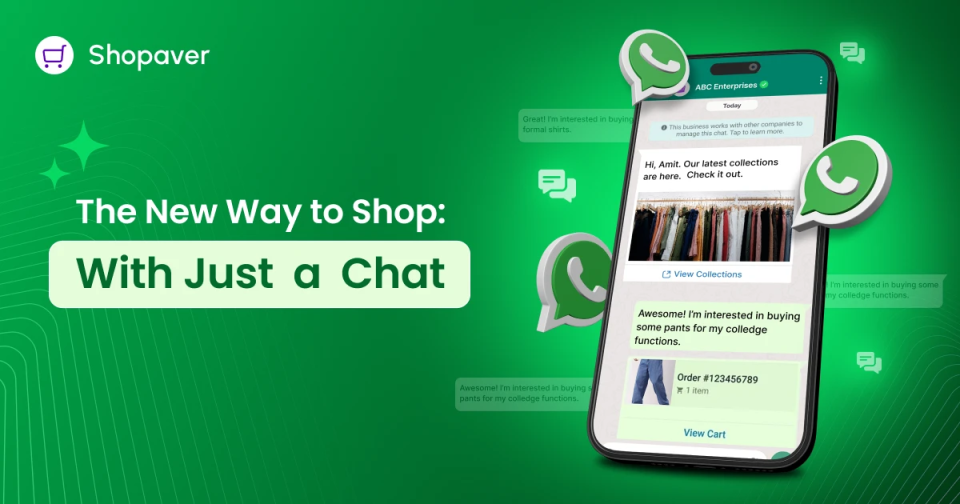
The term “conversational commerce” simply means buying and selling through chat. And WhatsApp Shopping is the most popular form of it right now. Consumers are no longer browsing endless pages, they are interacting directly with businesses.
For small sellers, the WhatsApp ecommerce store is a gift. It allows them to start selling with minimal investment, no need for expensive websites or complex apps. All they need is a verified business account, product catalogue and active communication.
For customers, this means clarity and connection. They can ask questions, share feedback, and feel assured before making a purchase. This two-way dialogue is what makes online shopping WhatsApp different from traditional e-commerce.
Real-world Examples of WhatsApp Shopping Success
Let’s look at a few cases:
- Local boutiques use shop WhatsApp to showcase new collections daily. Customers can reserve items before they sell out.
- Grocery stores rely on JioMart WhatsApp to take quick orders and confirm deliveries in minutes.
- Home decor sellers use WhatsApp to share product demos, videos, and styling tips, creating a personalised shopping journey.
- Even tech brands are setting up support and order management through WhatsApp Shopping to simplify after-sales service.
These examples show that WhatsApp Shopping is not just a trend, it’s the next big step in the evolution of online business.
Future of WhatsApp Shopping
At Shopaver, the belief is simple: shopping should be easy, quick, and personal. With WhatsApp Shopping, every business, from startups to large retailers, can connect with customers in real time and close sales faster.
Shopaver helps businesses explore how WhatsApp ecommerce store tools can boost sales, increase customer trust, and reduce support costs. By combining data insights with conversational engagement, brands can turn simple chats into long-term customer relationships.
How Businesses Can Start with WhatsApp Shopping
If you run an online business and want to use WhatsApp Shopping, here’s how you can start:
- Create a WhatsApp Business Account- Download the WhatsApp Business app and set up your verified profile. Add your logo, working hours, and contact details.
- Add Product Catalogues- Showcase your items inside the chat. Include clear images, prices, and descriptions. This is the foundation of your WhatsApp shop.
- Integrate Payment Options- Link digital payment systems for instant transactions within the chat. This step makes WhatsApp online shopping smoother for users.
- Promote Your Shopaver Store Link- Share your WhatsApp link across your website and social media to direct buyers to your chat instantly.
- Use Quick Replies and Labels- Organise customer chats, send updates, and manage conversations professionally. The easier you make it, the better your conversion rate.
Through these steps, brands can transform their communication tool into a revenue generator.
Why Customers Like WhatsApp Shopping
For buyers, WhatsApp Shopping means no confusion, no technical issues, and no need to download extra apps. They can browse products, ask questions, and buy in seconds. It feels personal and convenient.
Unlike traditional online platforms, shopping WhatsApp gives users real-time human contact. They get product updates, discounts, and after-sales help- all through the same chat. It’s why customers are gradually choosing this over email-based or website-based shopping.
The human connection that shop WhatsApp provides is reshaping customer expectations. Brands that ignore this change risk losing customers to competitors who offer faster, simpler chat-based shopping.
What Makes WhatsApp Ecommerce Store Unique
- Direct Access to Customers – Businesses reach users instantly through their phones.
- Higher Engagement Rates – Messages are read and replied to faster than emails.
- Trust and Transparency – Shoppers can verify sellers easily and track orders in real time.
- Ease of Integration – Works for small sellers and big enterprises alike.
This combination of personal connection and technological convenience is what makes WhatsApp Shopping different from other e-commerce solutions.
The Future of WhatsApp Shopping with Shopaver
The next few years will see even more features added to WhatsApp Shopping- from AI-based product suggestions to instant refunds and delivery tracking. And platforms like Shopaver aim to help businesses adapt to these tools quickly and efficiently.
By integrating WhatsApp ecommerce store functionalities, Shopaver enables brands to convert conversations into conversions.
It’s not just about selling more, it’s about selling smarter. As customers grow comfortable with online shopping WhatsApp, the line between chatting and shopping will continue to blur, and that’s the exciting part of this transformation.
The rise of WhatsApp Shopping is not just a digital upgrade, it’s a complete shift in how businesses and customers connect. By bringing shopping into daily conversations, it makes buying personal, quick, and more human.
For e-commerce brands, now is the time to accept this change. With Shopaver, businesses can explore new ways to grow their reach and deliver real value, through a simple chat. The message is clear- the future of e-commerce is conversational, and WhatsApp Shopping is leading the way.
FAQs
1. What is WhatsApp Shopping?
WhatsApp Shopping lets users browse, chat, and buy products directly within WhatsApp. It combines the features of an e-commerce platform and a messaging app for easy shopping.
2. How does a WhatsApp ecommerce store work?
A WhatsApp ecommerce store allows businesses to upload a product catalogue, chat with customers, and accept payments all through WhatsApp Business.
3. Is it safe to shop through WhatsApp?
Yes, WhatsApp Shopping uses encrypted chats and verified business accounts, ensuring that your personal data and payments are secure.

Aachal has 5+ years of experience in retail technology and POS-related content, writing practical and insight-driven blogs for small businesses in India.